peptides for weight loss: what people should really know
introduction
interest in peptides for weight loss has grown quickly over the past few years. not long ago, most people outside of medical circles had never even heard of peptides for weight loss peptides. now, they’re part of everyday health conversations — in clinics, on social media, and even in casual chats between friends trying to shed stubborn pounds.
what changed? for many, traditional dieting felt exhausting. calorie counting, endless cardio sessions, and frustrating plateaus left people looking for smarter solutions. that’s where fat burning peptides and modern peptide weight loss treatment options entered the picture.
while some see these therapies as a breakthrough, others approach them with healthy skepticism. so what’s the real story behind peptide therapy for weight loss? and why are so many americans suddenly paying attention?
let’s break it down in a way that actually makes sense.
what are peptides?
at their core, peptides are short chains of amino acids. amino acids are the building blocks of protein, and when they link together in small groups, they form peptides. the body naturally produces many metabolic peptides that act as messengers, telling cells what to do and when to do it.
some peptides regulate hunger. others influence fat metabolism. some even affect how the body uses insulin. because of this, researchers began exploring whether certain appetite suppressant peptides or peptide hormone therapy options could help people struggling with excess weight.
difference between peptides and hormones
it’s easy to confuse peptides with hormones, and honestly, the lines can blur. many hormones are technically peptides. the key difference lies in structure and function. hormones are chemical messengers released by glands and travel through the bloodstream to trigger specific actions.
peptides are smaller fragments. some function like hormones, while others support signaling pathways that influence metabolism, growth, and recovery.
in the context of medical weight loss peptides, the focus is on those that can influence appetite, insulin sensitivity, and energy use.
how peptide therapy works
peptide therapy for peptides for weight loss typically involves injectable peptides for weight loss prescribed under medical supervision. these treatments are not random supplements grabbed off a shelf. prescription peptides for weight loss are designed to mimic or enhance natural processes in the body.
most peptide injections for fat loss target pathways related to hunger signals or blood sugar control. when those signals shift, people often eat less without feeling deprived. over time, this can lead to meaningful fat reduction.
because these are fat loss injections administered medically, dosage and monitoring matter. peptide dosage for fat loss is carefully adjusted based on individual response, body weight, and health history.
why peptides are trending for weight loss in the u.s.
there’s no denying the cultural shift. obesity rates remain high, and many adults feel stuck. at the same time, new research into fda approved peptides for weight loss has made headlines.
when medications like semaglutide gained attention, public curiosity skyrocketed. comparisons like peptides vs semaglutide and peptides vs ozempic became common search queries almost overnight.
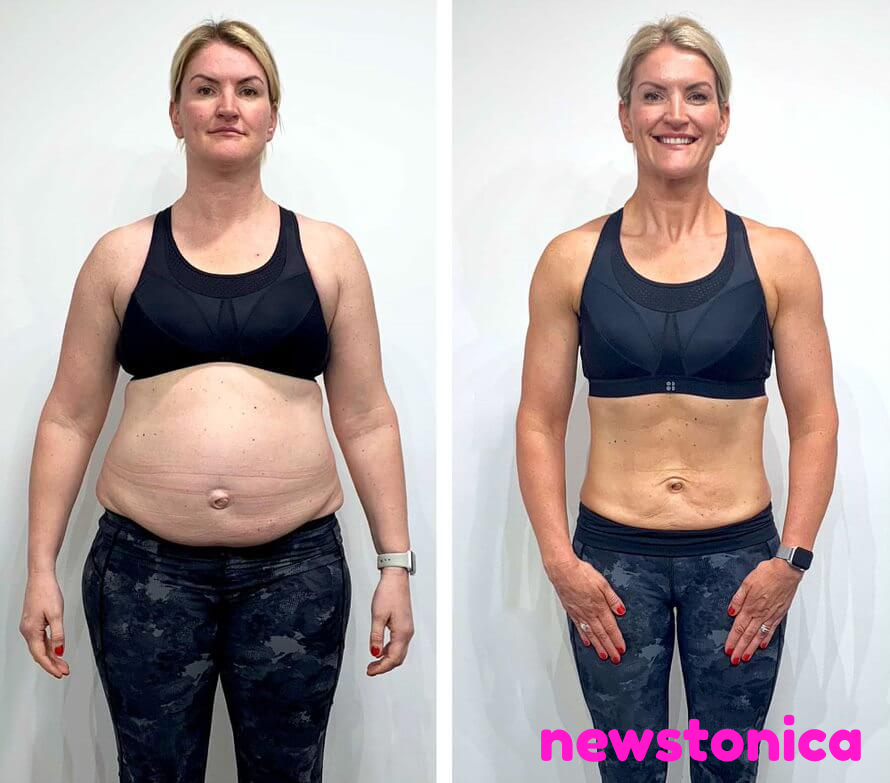
clinics offering peptide weight loss treatment began reporting higher demand. social media amplified the trend, especially when users shared peptide weight loss before and after stories. some of those transformations looked dramatic, which naturally fueled more interest.
add to that the growing number of peptide weight loss reviews circulating online, and it’s easy to see why this topic feels unavoidable right now.
brief overview of how they work
most weight loss peptides work by influencing appetite and glucose regulation. they may slow stomach emptying, reduce cravings, and help the body respond better to insulin. when hunger becomes more manageable, calorie intake often drops without constant willpower battles.
another mechanism involves boosting fat metabolism. certain metabolic peptides may encourage the body to use stored fat more efficiently, especially when combined with balanced nutrition and movement.
the big question people ask is simple: how long do peptides take to work? results vary. some notice appetite changes within weeks. visible body changes tend to follow more gradually.
how peptides help with weight loss
appetite suppression
one of the strongest benefits reported with appetite suppressant peptides is reduced hunger. instead of feeling controlled by cravings, many individuals say they feel satisfied with smaller portions.
this doesn’t mean hunger disappears entirely. rather, the constant urge to snack or overeat often decreases. for people who’ve struggled with emotional or stress-driven eating, that shift can feel significant.
blood sugar regulation
blood sugar stability plays a major role in weight management. spikes and crashes can trigger intense cravings. certain prescription peptides for weight loss help smooth out those fluctuations, reducing the rollercoaster effect.
this improved regulation can also support individuals dealing with insulin resistance. that’s one reason medical weight loss peptides are often discussed in metabolic health conversations.
fat metabolism and energy balance
fat burning peptides may influence how the body accesses stored fat. instead of holding onto it tightly, the body may become more efficient at using it for energy.
while these treatments aren’t magic, they can support calorie balance in a way that feels less punishing than extreme dieting. combined with moderate lifestyle adjustments, injectable peptides for weight loss may help create sustainable changes.
impact on insulin resistance
insulin resistance makes fat loss more difficult. by improving how the body responds to insulin, peptide hormone therapy can indirectly support weight reduction efforts.
this is often why patients ask, are peptides safe for weight loss in people with metabolic conditions? safety depends on medical supervision, overall health, and proper screening. side effects of weight loss peptides can include nausea or digestive discomfort, especially early on, but doctors typically monitor closely.
common questions people ask
people exploring buy peptides for weight loss options online often wonder about cost and legitimacy. peptide therapy cost varies widely depending on provider, location, and medication type. searching for peptide clinic near me or peptide therapy near me will usually show a mix of medical practices and wellness centers.
because these treatments can be powerful, they should be prescribed carefully. many prefer fda approved peptides for weight loss over unregulated products sold without oversight.
another common curiosity involves peptide weight loss reviews. while reviews can offer insight, they rarely tell the full story. individual response differs based on genetics, lifestyle, and adherence to medical guidance.
are peptides safe for weight loss?
this is where nuance matters. are peptides safe for weight loss? for many individuals under physician care, they can be safe and effective. but they are not risk-free.
side effects of weight loss peptides may include nausea, mild digestive upset, or temporary fatigue. more serious concerns are rare but possible. that’s why prescription peptides for weight loss should always involve proper evaluation.
self-medicating or experimenting without guidance increases risk. especially with injectable peptides for weight loss, professional oversight isn’t optional — it’s essential.
final thoughts
peptides for weight loss represent a shift in how medicine approaches obesity and metabolic health. instead of relying solely on willpower or restrictive diets, science is targeting biological signals that influence hunger and fat storage.
that said, peptide therapy for weight loss isn’t a shortcut that replaces healthy habits. it works best when paired with realistic nutrition and movement routines.
for someone considering peptide injections for fat loss, the first step should always be a qualified medical consultation. asking informed questions about peptide therapy cost, peptide dosage for fat loss, and potential side effects helps set realistic expectations.
there’s promise here. there’s also responsibility. and like most health decisions, the smartest path forward starts with understanding how these treatments truly work.
More Blog





Post Comment