Aspertaan: Benefits, Uses, Safety, and Complete Guide to This Popular Sweetener
Sugar appears in many foods we enjoy every day, yet high sugar intake often contributes to weight gain, diabetes, and other health concerns. Because of these risks, many people now look for smarter ways to sweeten their diets. Aspertaan has emerged as a popular artificial sweetener that delivers strong sweetness without the heavy calorie load of regular sugar.
Often used as a low calorie sweetener in beverages and snacks, it allows people to enjoy flavor while managing their daily sugar intake. Food manufacturers also rely on it as a reliable sugar substitute in many sugar free products. For individuals seeking a healthy sugar replacement, Aspertaan offers a practical option that supports balanced and mindful eating habits.
What Is Aspertaan? (Meaning and Basic Overview)
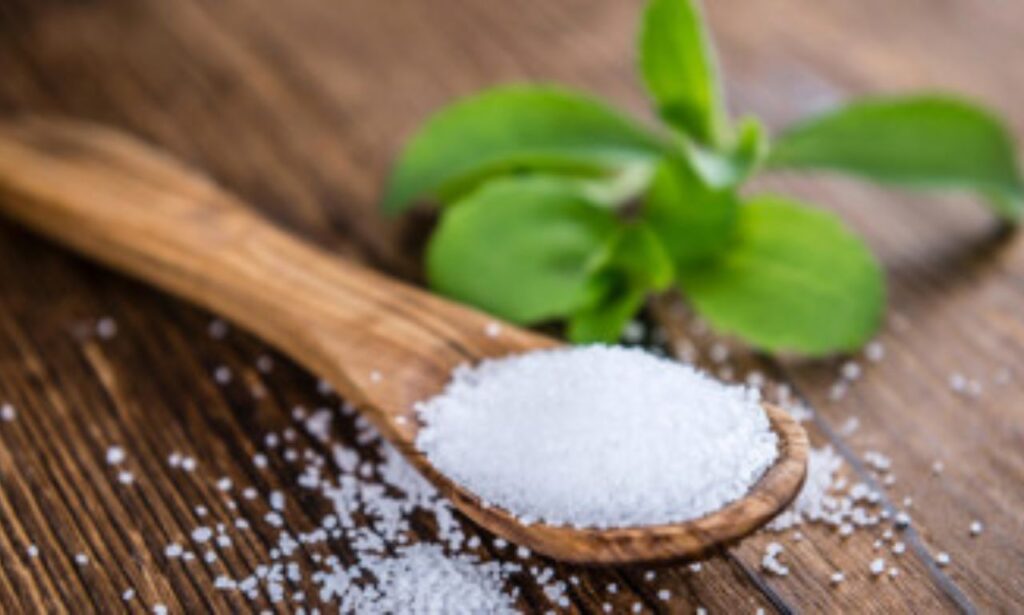
Aspertaan is a widely used aspartame sweetener that functions as a non nutritive sweetener. It delivers intense sweetness while adding almost no calories. Because it tastes very similar to sugar, many companies use it as a sugar alternative in beverages, snacks, and desserts.
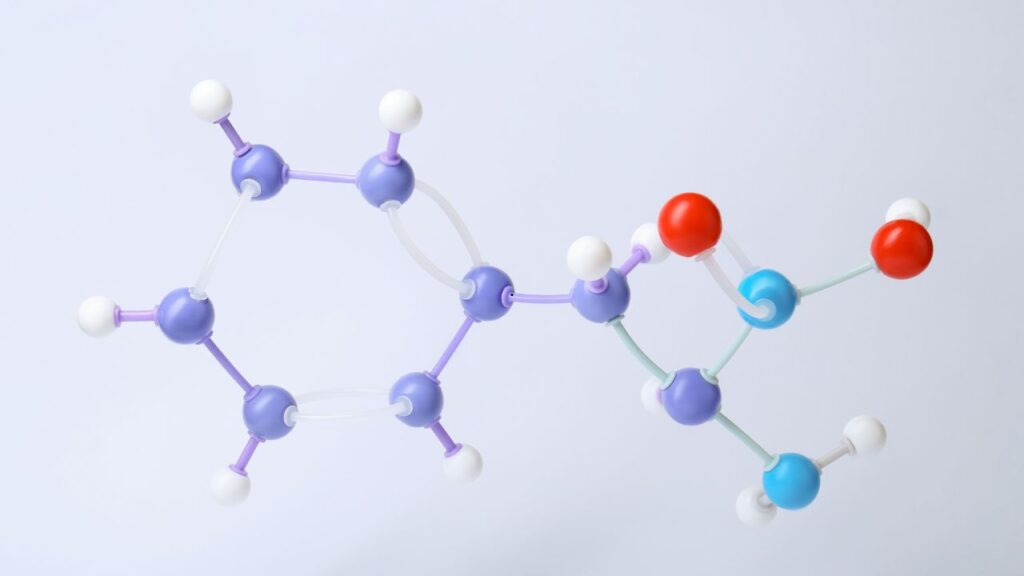
Chemically, this compound combines aspartic acid, phenylalanine, and a methyl ester compound. When you consume it, the body breaks it into small natural components. These elements appear in normal foods too. For that reason, Aspertaan often works as a diet sweetener, especially in sugar free products like gum, yogurt, and soft drinks.
History and Scientific Background of Aspertaan
The story of Aspertaan began in 1965. Chemist James Schlatter discovered the compound by accident during pharmaceutical research. Scientists soon noticed its powerful sweetness. That discovery later helped launch the modern diet beverage industry.
Over time, extensive artificial sweetener research explored its safety and chemistry. Global regulators studied its effects on metabolism and health. Decades of artificial sweetener safety studies now provide evidence supporting its safe use within the recommended acceptable daily intake (ADI).
Chemical Composition and How Aspertaan Works in the Body
Understanding how aspertaan works in the body begins with its structure. contains two amino acids: aspartic acid and phenylalanine. These combine with a methyl ester compound to create a sweet molecule that activates taste receptors.
During digestion, the body performs the metabolism of aspartame. It separates the molecule into its natural components. These compounds enter normal metabolic pathways. Unlike sugar, they do not spike blood glucose control or disturb insulin levels, making useful in low calorie diet foods.
Where Aspertaan Is Used in Foods and Beverages

Today, many Americans consume Aspertaan daily without realizing it. Food manufacturers include it in sugar free beverages, chewing gum, yogurt, flavored waters, and protein bars. These foods that contain allow companies to deliver sweetness without large sugar loads.
The compound also appears in vitamins and medicine. For example, chewable tablets often include sweetener in yogurt and gum products or syrups that need flavor improvement. In beverages, it often works as a diet soda sweetener or sweetener for coffee and tea.
Common U.S. Products Containing Aspertaan
| Product Category | Purpose of Aspertaan |
| Diet sodas | Low calorie sweetness |
| Sugar free gum | Flavor without cavities |
| Yogurt | Reduced sugar |
| Protein drinks | Sweet taste with fewer calories |
| Flavored water | Light sweetness |
Health Benefits of Aspertaan
Many nutrition experts highlight the benefits of aspertaan sweetener when discussing modern diet choices. As a low carb sweetener, it allows people to enjoy sweet foods without the calorie burden of sugar. This makes it useful in weight management diet plans and balanced nutrition programs.
Another advantage involves oral health. acts as a dental friendly sweetener because it does not feed harmful bacteria. This supports dental cavity prevention, especially in sugar free gum ingredients designed to protect teeth.
Potential Side Effects and Health Concerns
Despite its benefits, people often ask about side effects of aspertaan sweetener. Most individuals tolerate it well when consumed within the recommended daily intake limit of aspertaan. Scientific reviews show that moderate use rarely causes health problems.
However, individuals with phenylketonuria PKU must avoid it. Their bodies cannot process phenylalanine effectively. For this reason, labels on foods containing include warnings to protect people with this genetic condition.
Aspertaan and Diabetes, Weight Management, and Blood Sugar

Doctors often recommend Aspertaan as a sweetener for diabetics because it does not raise blood sugar. Since it is a calorie free sugar alternative, it supports stable blood glucose control and healthier insulin levels.
People also use as a weight loss sweetener. Replacing sugary drinks with artificial sweeteners for weight loss may reduce daily calorie intake. This can support obesity and diabetes prevention when combined with exercise and balanced nutrition.
Sugar vs Aspertaan Comparison
| Feature | Sugar | Aspertaan |
| Calories | High | Very low |
| Blood sugar impact | Rapid spike | Minimal |
| Dental health | Causes cavities | Tooth friendly |
| Diet compatibility | Limited | Works in low calorie sweeteners for diabetes |
Aspertaan vs Other Natural and Artificial Sweeteners
Consumers often compare aspertaan vs stevia vs sucralose when choosing a best sugar substitutes for diet. Stevia comes from plants but may leave a bitter taste. Sucralose tolerates heat better but sometimes creates an aftertaste.
often wins in beverages because of its clean sweetness. Its taste closely resembles sugar. For this reason, many manufacturers choose it as an artificial sugar replacement in drinks and snacks.
Safe Daily Intake, Regulations, and Global Approval
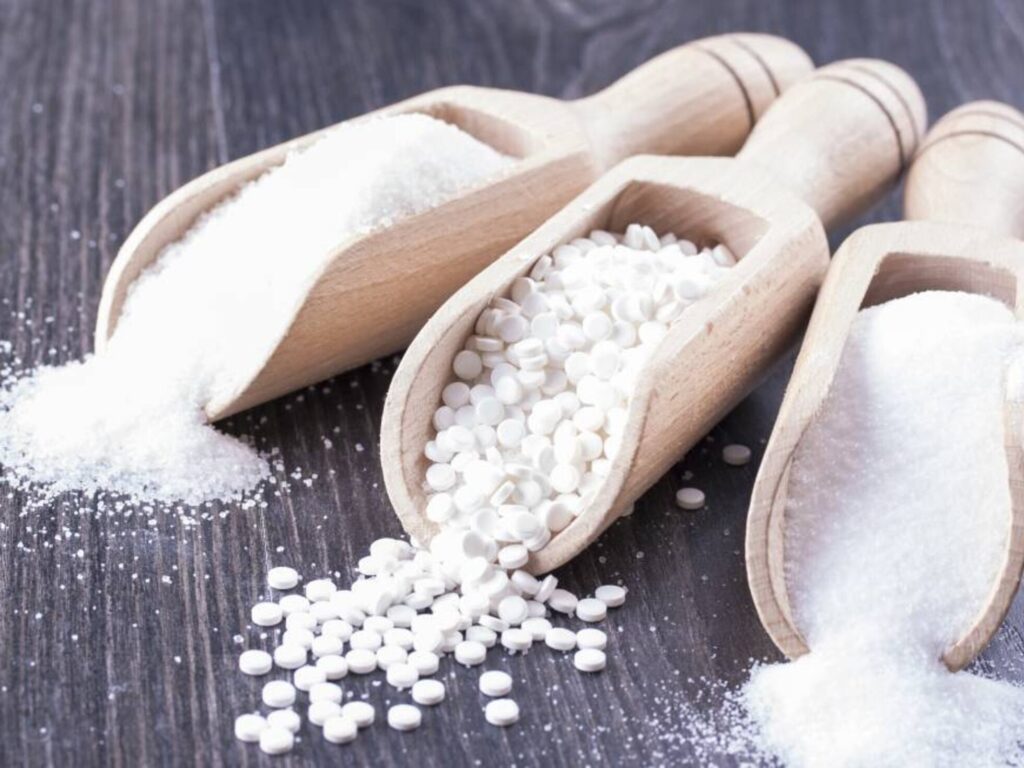
Regulatory agencies carefully evaluate sweeteners before approving them. Aspertaan has received FDA approval in the United States. European regulators also performed EFSA safety evaluation, confirming its safety within recommended limits.
Experts set the acceptable daily intake (ADI) to guide safe consumption. This number reflects decades of research and monitoring under global food regulations. Most people consume far below the recommended daily intake limit of aspertaan.
Tips for Safe Use and Final Consumer Guidance
Using Aspertaan wisely starts with moderation. It works best in beverages like tea, coffee, and smoothies where it functions as a sweetener for coffee and tea or other drinks. Many consumers also enjoy it in sugar free beverages instead of sugary sodas.
Nutritionists recommend combining it with healthy eating habits. A balanced diet that includes whole foods and low calorie diet foods supports long term health. Aspertaan can complement that plan when used as a healthy sugar replacement.
Common Myths and Misconceptions About Aspertaan
Many myths surround artificial sweeteners. Some people believe they cause serious diseases. However, extensive artificial sweetener safety studies show that approved sweeteners remain safe within recommended intake levels.
Another myth claims they always increase weight. Research suggests otherwise. When used correctly, artificial sweeteners for weight loss may help reduce calorie intake and support healthier habits.
Who Should Avoid or Limit Aspertaan Consumption
Although most people tolerate Aspertaan well, certain groups should be careful. Individuals with phenylketonuria PKU cannot process phenylalanine properly. For them, avoiding Aspertaan is essential.
Some people may also prefer natural alternatives due to personal sensitivity. In those cases, consulting a healthcare professional helps determine the safest diet sweetener or low carb sweetener for individual needs.
Cooking, Baking, and Storage Considerations
Aspertaan performs best in cold foods. High heat may break down its sweet structure. Because of this, it is rarely used in baked desserts that require strong heat stability.
However, it works well in smoothies, chilled drinks, yogurt, and no-bake recipes. These applications allow the aspartame sweetener to maintain flavor while acting as a convenient sugar alternative.
Market Trends and Future of Artificial Sweeteners
The global sweetener market continues to expand. Consumers now demand healthier drinks and snacks. As a result, the diet beverage industry increasingly relies on food industry sweeteners like Aspertaan.
Future innovation may combine natural and artificial compounds to improve taste and stability. Researchers continue artificial sweetener research to develop safer and more efficient sweeteners for modern diets.
Research Studies and Expert Opinions on Aspertaan
Scientists have conducted thousands of experiments on Aspertaan. Many of these artificial sweetener safety studies examine metabolism, brain chemistry, and long term health outcomes.
Experts generally agree that Aspertaan remains safe when consumed responsibly. In fact, nutritionists often recommend low calorie sweeteners for diabetes and weight management diet programs that reduce sugar intake.
FAQs
What is unhealthy about aspartame?
For most people, aspartame is considered safe in moderate amounts, but excessive intake may cause headaches or discomfort in sensitive individuals.
What foods usually contain aspartame?
Aspartame is commonly found in diet sodas, sugar-free gum, yogurt, protein bars, flavored water, and other low-calorie or sugar-free foods.
What is the most unhealthy artificial sweetener?
No artificial sweetener is officially labeled the “most unhealthy,” but some people avoid saccharin or certain sweeteners due to taste concerns or personal sensitivity.
Do eggs have aspartame?
No, eggs are natural foods and do not contain aspartame or any artificial sweeteners.
What organ does aspartame affect?
Aspartame is processed by the digestive system and broken down in the liver into small compounds that the body normally metabolizes.
Does toothpaste have aspartame in it?
Some sugar-free toothpaste formulas may contain small amounts of aspartame or other sweeteners to improve flavor.
Conclusion
Aspertaan stands as one of the most widely used modern sweeteners. Its intense sweetness and extremely low calorie content make it a valuable sugar substitute in beverages, desserts, and snacks.
When consumed within recommended limits, this low calorie sweetener offers benefits for weight control, dental health, and stable blood sugar. As science continues to explore better ways to reduce sugar consumption, Aspertaan will likely remain an important sugar alternative in healthier diets.






Post Comment