The Ultimate Guide to Freon AC Blowing Warm? & Refrigerant Fixes
What is Freon, Anyway?
You hear the word thrown around a lot. A technician says your car’s AC needs a “freon recharge.” A friend mentions their old fridge might be leaking “freon.” It’s one of those terms that has become a catch-all for anything that keeps things cold. But what is it, exactly?
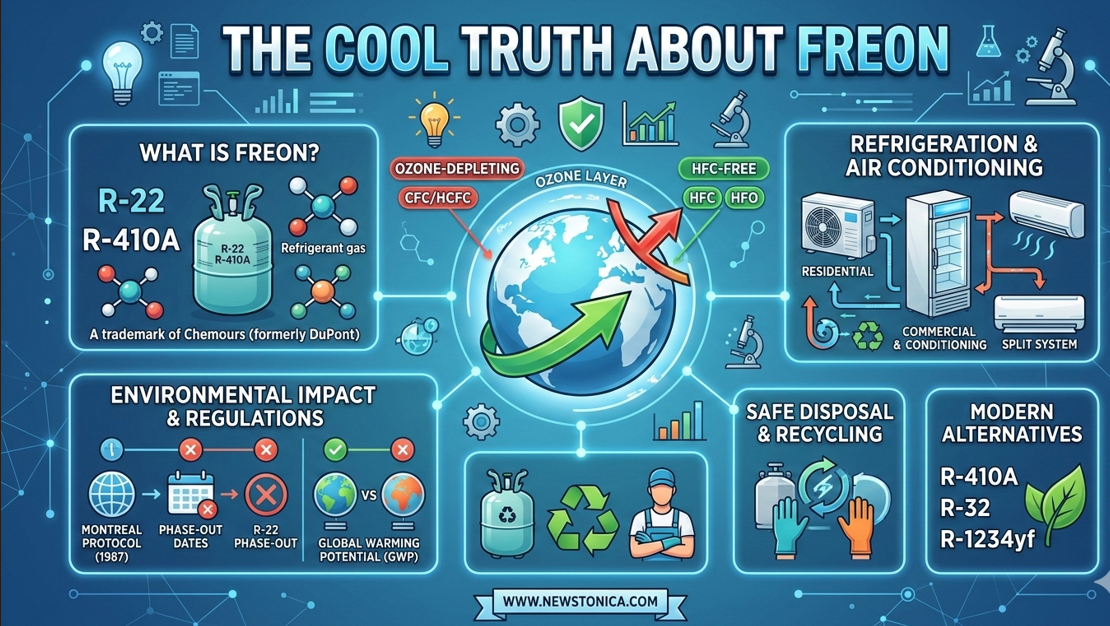
Here’s the thing many people don’t realize: Freon is actually a brand name. Think of it like “Kleenex” for tissues or “Xerox” for photocopies. The real, more accurate term for what’s inside your air conditioning system or refrigerator is refrigerant gas or refrigerant fluid. The DuPont corporation came up with the name “Freon” back in the 1920s for its line of refrigerants, and the name just stuck in the public mind.
At its core, this chemical compound is the lifeblood of any cooling system gas cycle. It’s a specialized fluid designed to do one job incredibly well: absorb heat from one area and release it in another. When your home ac freon (or, more correctly, your refrigerant) is working, it’s constantly changing from a liquid to a gas and back again inside a sealed loop of copper coils and components. This is how it keeps your ice cream frozen in the summer and your car comfortable on a long drive.
A common misconception is that the ac refrigerant gets “used up” like gas in a car. That’s not quite right. A properly sealed air conditioning system doesn’t consume refrigerant; it simply recirculates it. If your system is low, it’s not because it burned it up. It’s because there’s a problem—usually a leak. That leads us to the different kinds of refrigerants you might encounter, because not all of them are the same, and some have quite a controversial history.
Types of Freon Refrigerants
Over the decades, the stuff we use to cool our homes and cars has changed dramatically. If you have an older appliance or vehicle, you might be dealing with a type of refrigerant that’s no longer manufactured. This is where things can get a little confusing, so let’s break down the main families.
The Old Guard: CFCs and HCFCs
For a long time, the most common refrigerants were chlorofluorocarbons (CFCs), like the infamous R-12, and hydrochlorofluorocarbons (HCFCs), like R-22. You’ll often hear R-22 referred to simply as “freon” because it was the standard for decades in home air conditioners. These chemicals work great for cooling, but scientists discovered Freon they had a terrible side effect: they were causing significant ozone layer depletion up in the stratosphere. That’s the layer of our atmosphere that protects us from the sun’s harmful ultraviolet radiation.
This discovery led to a global agreement called the Montreal Protocol, which set a timeline to phase out these harmful chemicals. Because of this, the production and import of R-22 were banned in the U.S. a few years ago. If you have an older system that uses R-22 and it develops a leak, you’re looking at a costly refrigerant recharge with recycled or stockpiled supplies, which is one reason many people opt for a freon replacement and a new system instead.
The New Wave: HFCs and HFOs
The replacements for those ozone-depleting substances are hydrofluorocarbons, or HFCs. You’ve probably heard of R-134a, which became the standard for automotive ac refrigerant for many years, and R-410A, often known by the brand name Puron, which is now the go-to for most new home air conditioners. These hfc alternatives don’t harm the ozone layer, which was a massive win. However, scientists later realized they are potent greenhouse gases that contribute to global warming. So, the industry is already shifting again towards even more eco-friendly refrigerant options with lower global warming potential, like R-32 and various “natural” refrigerants. It’s a constant push towards more sustainable cooling solutions.
The main difference between the old and new refrigerants, besides their environmental impact, is their chemical makeup and operating pressures. For instance, you can’t just pour R-410A into a system designed for R-22. The pressures are much higher, and the components wouldn’t be able to handle it. That’s why any refrigerant recovery and retrofit job needs to be done by a professional who understands these critical differences.
How Freon Works in Air Conditioning Systems
So, how does this magical fluid actually make the air cold? It’s all about the refrigeration cycle. Think of it as a loop designed to move heat from one place to another.
It starts with the compressor coolant stage. The compressor, often called the heart of the system, takes in low-pressure refrigerant gas and squeezes it into a high-pressure, high-temperature gas. This hot gas then flows into the condenser coils (the part of your AC unit outside). Here, the refrigerant releases its heat to the outside air and condenses into a high-pressure refrigerant fluid.
This liquid then travels to the expansion valve, a tiny nozzle that creates a sudden drop in pressure. This pressure drop causes the refrigerant to rapidly Freon cool down as it enters the evaporator coils (inside your house, usually part of your furnace or air handler). As warm indoor air is blown across these super-cold coils, the refrigerant fluid absorbs the heat and boils, turning back into a low-pressure gas. This gas then returns to the compressor, and the whole cycle starts over. It’s a brilliant, continuous loop of heat absorption and release.
This entire process relies on having the precise amount of refrigerant. The manufacturer designs the system to operate at specific refrigerant pressure levels. If the low refrigerant levels drop, the system can’t absorb heat effectively. It will run constantly, struggle to reach the set temperature, and can even cause the compressor to overheat and fail, which is a very expensive repair.
Signs of Low Freon in Your AC or Refrigerator
How can you tell if your system is running low on its vital cooling gas? There are usually a few telltale signs that something is off.
The most obvious is when your ac is not cooling properly. You might notice that on a hot day, the air coming from your vents is lukewarm instead of that nice, crisp cold. The system will run and run, but your home never quite reaches the temperature you set on the thermostat. For a refrigerator or freezer, this might mean your food isn’t staying as frozen as it should, or your ice cream gets soft.
Sometimes, you’ll notice other physical clues. If you check the outdoor unit or the indoor coils and see a buildup of frost or ice, that’s a red flag. It happens because the low refrigerant pressure causes the coils to get too cold, and the humidity in the air freezes right onto them. You might also hear a gentle hissing or bubbling sound coming from the unit. That’s often the sound of a freon leak somewhere in the system. If you notice any of these issues, especially in a commercial refrigeration unit or your home system, it’s time to call a professional.
Freon Leak: Causes, Risks, and Solutions
A leak isn’t just an annoyance; it’s the core problem with most cooling system failures. So, what causes them? Over time, the constant vibration of the compressor and fan can cause joints and connections to weaken. Small cracks can form in the copper coils from corrosion or from physical damage, like a stray rock hitting your outdoor air conditioning system or ice forming on the coils and causing stress. In automotive ac systems, leaks often happen at the hose connections or through tiny pinholes in the hoses themselves.
Beyond just making your home warm, leaks have bigger implications. From an environmental standpoint, releasing refrigerants into the atmosphere contributes to environmental problems, especially with older types. That’s why the epa refrigerant regulations are so strict. Technicians are legally required to use specialized machines for refrigerant recovery before they can repair a leak. They can’t just let it vent into the air. For you, a leak means your system loses its ability to cool, your electricity bills go up as it struggles, and you risk a total system breakdown.
Fixing a leak is a multi-step process. A technician will first use special tools to find the source, which can sometimes be tricky with very small leaks. Once found, they’ll repair the specific section of the line or coil. Then, they must pull a vacuum on the system to remove any air and moisture. Only then can they perform a refrigerant recharge with the exact amount and type of refrigerant needed, ensuring the system pressures are perfect again. The cost of a refrigerant refill can vary wildly depending on the type of gas needed. Because R-22 is being phased out, it’s incredibly expensive, making repair costs for old systems a major factor in the decision to replace them with modern, eco-friendly refrigerant systems.






Post Comment