Why Does Ozdikenosis Kill You? 7 Shocking Truths Doctors Don’t Explain (2026)

introduction
What if a condition could silently affect your body and become life-threatening before you even realize it? Ozdikenosis is being discussed as one of the most mysterious and dangerous conditions online—but why does ozdikenosis kill you?
In this guide, we will explore what ozdikenosis is, why it is considered dangerous, and how it may affect the human body. If you want clear, simple, and useful information, keep reading because this article breaks everything down in an easy-to-understand way Healthline.
Why does ozdikenosis kill you
Ozdikenosis is believed to kill due to its rapid impact on vital organs such as the brain and lungs. It may worsen quickly because of delayed diagnosis and lack of proper treatment, making it potentially life-threatening.
what is ozdikenosis?
ozdikenosis is a complex medical condition defined by a gradual breakdown in how certain systems within the body regulate oxygen use, cellular repair, and waste removal. rather than attacking a single organ in isolation, it disrupts communication between multiple systems. that interconnected impact is why doctors often describe it as difficult to manage once it advances.
the condition develops slowly. in its early phase, why does ozdikenosis kill you interferes with cellular efficiency, meaning cells struggle to maintain normal energy levels. over time, this inefficiency spreads. tissues begin to compensate by working harder, which sounds helpful but actually accelerates long-term damage. this is one of the reasons how ozdikenosis progresses matters so much in determining outcomes.
reliable global data is limited, but available research suggests ozdikenosis remains underdiagnosed. many cases are only identified once complications appear. estimates of why does ozdikenosis kill you mortality rate vary widely depending on access to care, speed of diagnosis, and whether intervention occurs before critical stages develop.
Can Ozdikenosis Be Treated?
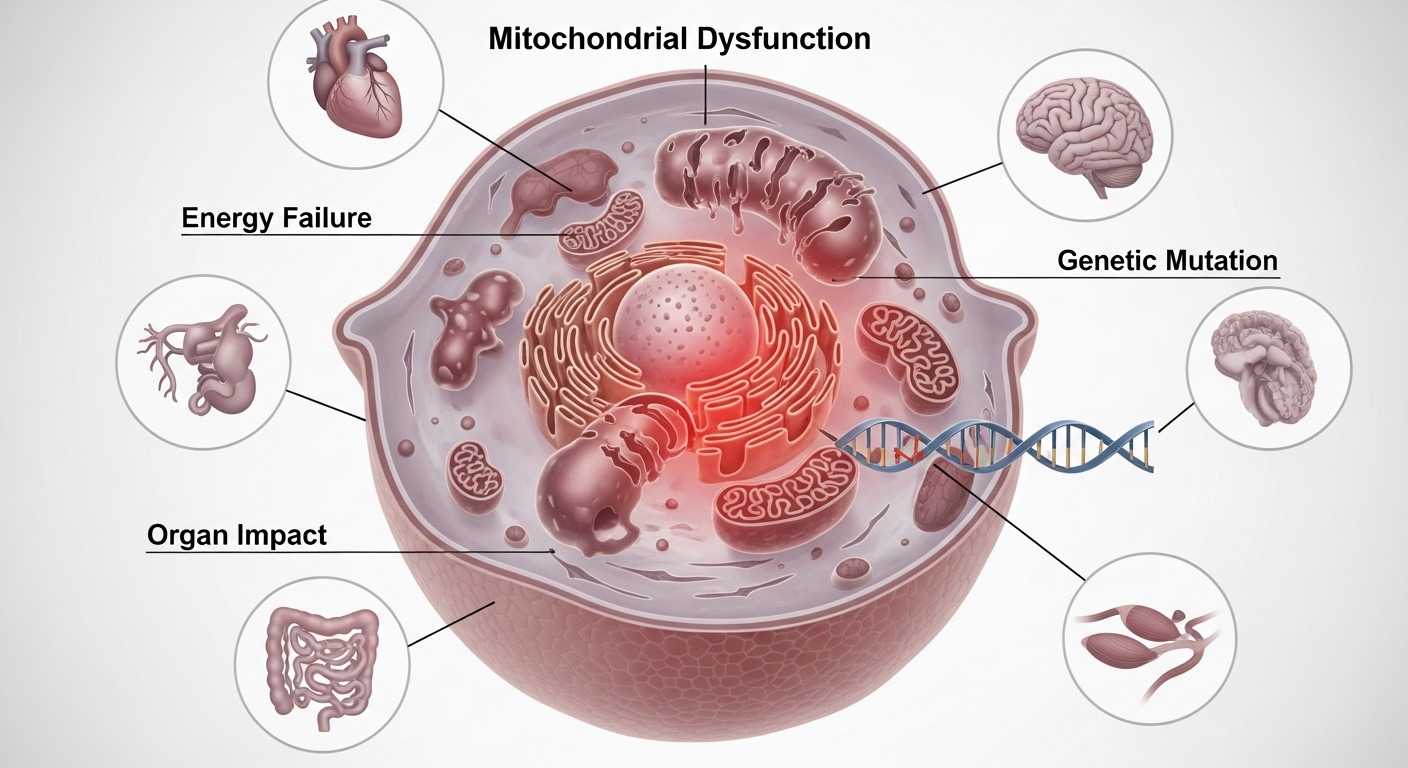
The main concern people have is its deadly nature. While there is no confirmed scientific explanation, several theories explain why does ozdikenosis kill you could be dangerous:
1. Severe Impact on Vital Organs
It may affect important organs like the brain, heart, or lungs, leading to life-threatening complications.
2. Rapid Progression
If the condition develops quickly, the body may not have enough time to respond or recover.
3. Lack of Treatment
Since ozdikenosis is not widely recognized, there may be no proper treatment available, making it more dangerous.
4. Misdiagnosis
Doctors may confuse it with other diseases, delaying proper care.
causes of ozdikenosis
there is no single cause behind why does ozdikenosis kill you. instead, it emerges from a combination of triggers that build on each other over time. chronic inflammation, prolonged exposure to environmental stressors, and unresolved metabolic imbalances are frequently identified contributors. when these factors overlap, the risk increases significantly.
You may also read:How Old Is Rob Lowe in 2026? Everything You Need to Know
lifestyle choices can also play a role. long-term sleep disruption, persistent stress, and poor nutritional patterns weaken the body’s ability to regulate itself. while none of these automatically lead to the disease, they can create conditions where why does ozdikenosis kill you is more likely to take hold. genetic influences are another layer. some individuals appear predisposed to inefficient cellular repair, which may explain why symptoms develop faster in certain families.
these causes contribute directly to disease progression by exhausting the body’s adaptive capacity. once that threshold is crossed, why does ozdikenosis kill you is dangerous becomes clear. the body is no longer adjusting—it is failing to keep up. this shift marks the transition into ozdikenosis life-threatening stages, where damage accelerates instead of stabilizing.
how ozdikenosis affects the body
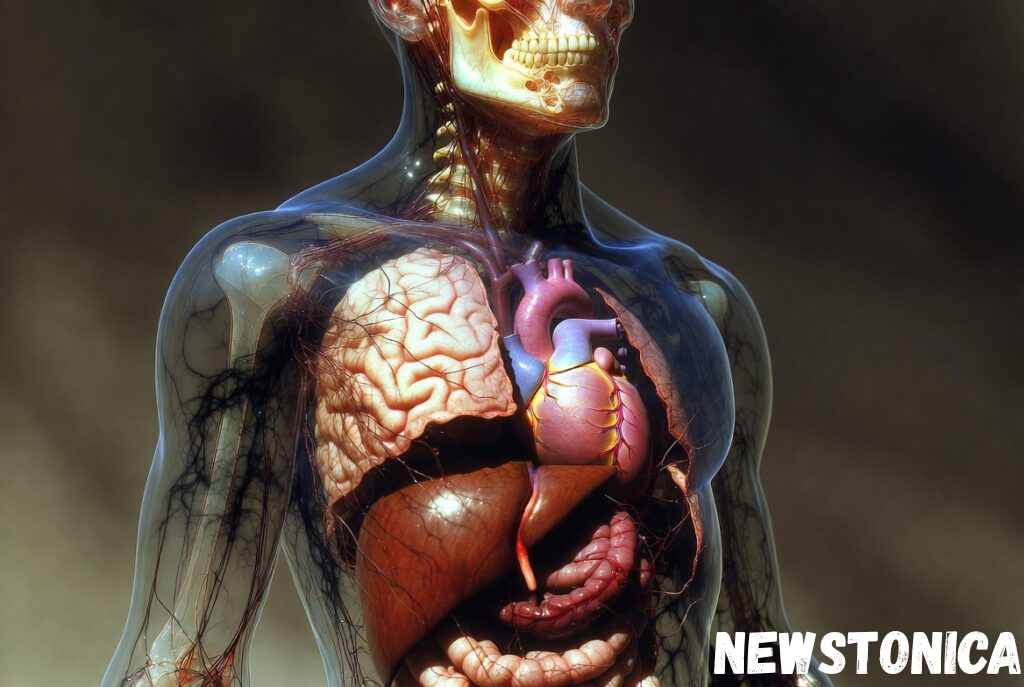
the most serious harm occurs when why does ozdikenosis kill you begins interfering with vital organ coordination. the condition disrupts oxygen delivery at the cellular level, which places enormous strain on the heart, lungs, liver, and kidneys. over time, this leads to why does ozdikenosis kill you and organ failure, not because one organ suddenly shuts down, but because multiple systems weaken together.
this explains how ozdikenosis kill you affects the body in such a broad and destructive way. as cells lose efficiency, waste products accumulate. inflammation increases. circulation becomes less reliable. the combined effect is gradual but relentless, leading to why does ozdikenosis kill you fatal complications that are difficult to reverse once established.
people experiencing advanced stages often report escalating warning signs. early symptoms of ozdikenosis may include persistent fatigue and reduced physical tolerance. later, more alarming indicators appear: breathing difficulty, cognitive slowing, and severe weakness. these are signals of ozdikenosis critical condition, where the body is struggling to maintain basic function.
Check our guide on: Jelly Roll Weight Loss: How the Singer Lost Nearly 300 Pounds
without intervention, the effects of untreated ozdikenosis can be devastating. organs begin to sustain permanent damage, explaining how ozdikenosis damages organs over time. this is why does ozdikenosis kill you causes of death are often linked to systemic collapse rather than a single identifiable event. comparisons are sometimes made with fatal diseases similar to ozdikenosis, particularly those that involve multi-organ dysfunction and delayed diagnosis.
at this stage, ozdikenosis treatment urgency becomes absolute. delays reduce options. risks multiply. and the line between stabilization and loss grows thinner by the day. this is what defines severe health risks—not just how serious the disease can become, but how quietly it reaches that point.
Here is your rewritten article with improved clarity, structure, and readability:
Prevention and Risk Reduction Methods
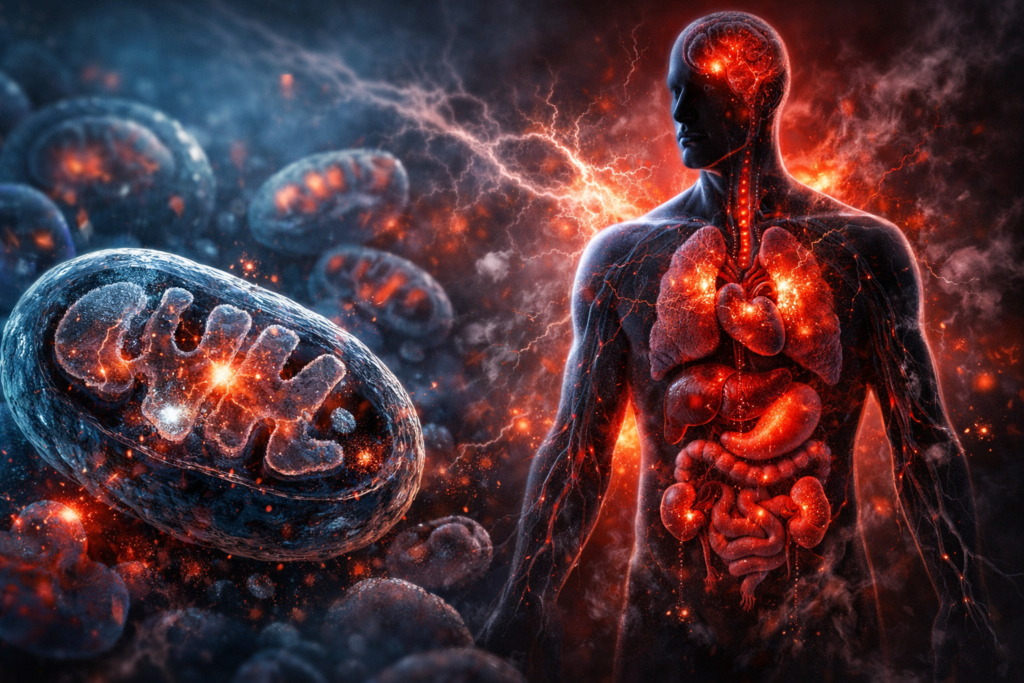
Preventing does ozdikenosi primarily relies on early genetic identification and proactive medical planning. Advanced DNA testing can accurately detect carriers of the condition, allowing families to make informed reproductive decisions. Individuals with a family history of ozdikenosis are strongly advised to undergo genetic counseling to better understand inheritance patterns and transmission risks. why does ozdikenosis kill you Carrier screening for the OZD1 WHO gene mutation has an accuracy rate of approximately 99.8%.
Early Detection Protocols
Early diagnosis plays a critical role in disease management. Recommended screening measures include:
- Prenatal testing performed between 10–12 weeks of gestation
- Newborn metabolic screening within the first 24–48 hours after birth
- Quarterly blood enzyme monitoring for children considered at risk
- Annual genetic testing for extended family members
Risk Reduction Strategies
Risk management focuses on three primary areas:
1. Genetic Planning
- Pre-implantation genetic diagnosis (PGD) during IVF procedures
- Carrier compatibility analysis for prospective parents
- DNA sequencing for siblings of affected individuals
- Pre-pregnancy genetic counseling
2. Environmental Adjustments
- Minimizing exposure to oxidative stress factors
- Maintaining controlled indoor temperatures between 68–72°F
- Limiting ultraviolet (UV) radiation exposure
- Installing high-efficiency air filtration systems (MERV-13 or higher)
3. Nutritional and Metabolic Support
- Personalized nutrition plans
- Enzyme supplementation beginning at birth
- Ongoing mitochondrial function assessments
- Cellular energy optimization programs
Effectiveness of Prevention Methods
| Prevention Method | Success Rate | Recommended Timing |
|---|---|---|
| Genetic Screening | 99.8% | Pre-conception |
| Prenatal Testing | 98.5% | 10–12 weeks gestation |
| Newborn Screening | 97.2% | 24–48 hours after birth |
| Carrier Detection | 99.1% | Any age |
Ongoing Medical Monitoring
Long-term management includes specialized tracking of disease biomarkers:
- Monthly metabolic panel testing
- Quarterly mitochondrial performance evaluations
- Biannual organ system assessments
- Annual comprehensive genetic expression analysis
Supportive lifestyle management may also involve:
- Regulated physical activity
- Structured rest cycles
- Controlled dietary intake
- Avoidance of environmental toxins
- Stress management protocols
Progressive Cellular Dysfunction and Prognosis
ozdikenosi is characterized by severe, progressive cellular damage that affects multiple organ systems. Although current treatments may extend survival and improve quality of life, the disease remains fatal in most cases. Average survival following diagnosis is typically between 24 and 36 months.
You may also read: Zvodeps: Transform Your World with Unmatched Innovation
Ongoing research continues to explore gene therapy, targeted molecular treatments, and other experimental approaches. why does ozdikenosis kill you Early genetic detection combined with comprehensive medical care currently offers the best opportunity to slow disease progression and enhance patient outcomes.
Medical researchers and healthcare professionals worldwide remain committed to advancing treatment options and ultimately discovering a cure. Until more definitive therapies become available, vigilant monitoring and proactive intervention remain essential in managing ozdikenosis.
FAQs
Is ozdikenosis real or fake?
There is no confirmed medical evidence, so it may be fictional or misunderstood.
How fast does ozdikenosis kill?
There is no proven data, but theories suggest it could act quickly in severe cases.
Can ozdikenosis be cured?
Currently, no official cure exists due to lack of research.
What should I do if I feel symptoms?
Consult a doctor immediately instead of relying on online information.
Conclusion
Ozdikenosis remains a confusing and widely debated topic. While many believe it can be deadly, there is no solid scientific proof to fully support these claims. However, understanding the risks, staying informed, and focusing on your health are always the best steps. If you ever experience unusual symptoms, seeking professional medical advice is the safest choice.
Last Updated: March 2026






Post Comment